|
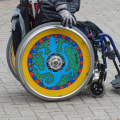
Cerebral Palsy equipment and accessories including wheelchairs, scooters,
standers, walkers, computers, seating, car seats, braces and dogs. |
|
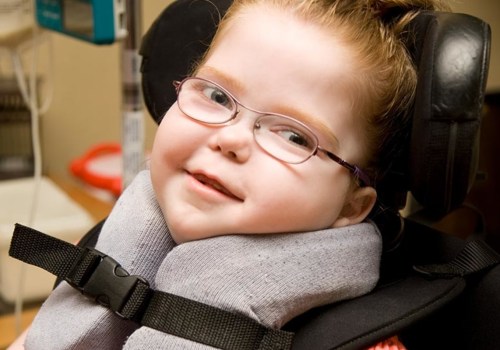
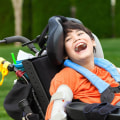
For the child who has a tendency to extend the head and spine, these chairs work well for feeding. However, these tumble form chairs provide very poor postural control for the child that tends to collapse forward and should not be used as wheelchair inserts or for a significant portions of the child’s sitting time during the day. Corner chairs are another form of common seating for disabled children; they help the child to develop balance while sitting and are most frequently designed for use on the floor. These chairs are very simple, but provide excellent seating options to allow the child to develop sitting coordination and balance on the floor. They can also be used in an early school setting so that the child can participate with his or her peers during floor time. Many children with cerebral palsy find it difficult to sit with their legs straight out in front of them. This becomes problematic when the child is still quite small, and his or her legs cannot reach to bend over the edge of a couch or chair. This problem is easily remedied by purchasing (or for the crafty parents out there, building) a smaller chair that allows your child to bend his or her knees, and still maintain good posture. http://www.allegromedical.com/children_pediatric/seating_positioning http://www.healthydesign.com/bss/rehab.html http://www.abledata.com/abledata.cfm?pageid=19327&top=12999&deep=2&trail=22 http://www.rehabpub.com/ltrehab/892000/4.asp Car Seats Parents of children with cerebral palsy know that it can be quite difficult to safely and comfortably transport your child, especially if he or she has trouble maintaining an upright position unassisted. Specially-designed car seats can be invaluable for helping with this common problem in caring for a child with special needs, and can make traveling to family outings and functions much more safe, fun, and practical. A parent of a child with cerebral palsy should look for features in a car seat that will cater to their child’s specific needs. Especially for children who are severely affected by cerebral palsy, a car seat that has such features as firm padding, adjustable restraint recline, both lap and shoulder restraints, a padded headrest, a deeper and more comfortable seat and large enough to accommodate a child who is much larger than a toddler (most car seats for children with special needs are able to accommodate children from 20 lbs to 100 lbs, and up to five feet tall). A comfortable, highly-padded headrest will ensure a child who is unable to hold his or head upright to be able to rest comfortably in the car, and there is no need for alternative positioning, as most car seats are designed to face forward in any backseat. The depth of the seat will help a child’s legs to remain comfortable, and the double shoulder and lap restraints will help to keep the child in a comfortable and safe position. Many car seats are designed to fit in standard bus and airplane seats, which will enhance any family vacation travel. Some car seats are available with swingaway abductors, to help a child’s difficulties with being comfortable in a car seat with severe muscular contraction. http://www.allegromedical.com/children_pediatric/seating_positioning http://www.allegromedical.com/children_pediatric/car_bus_seats Home | Cerebral Palsy Causes | Cerebral Palsy Forms | Cerebral Palsy Conditions Home | Wheelchairs & Scooters | Standers & Walkers | Computers & Technology |
|
Please feel free to |
|
|
|
|
|
standers, walkers, computers, seating, car seats, braces and dogs. |